Ai Prompt for 2d Game Backgrounds: Crafting Worlds That Captivate
There's a specific kind of magic in a well-designed 2D game background. It's more than just scenery; it's the silent narrator, the atmospheric anchor, and the emotional core of the player's experience. The tool known as Ai Prompt for 2d Game Backgrounds is engineered to generate these immersive vistas, acting as a powerful creative partner for designers, developers, and storytellers. It doesn't just spit out generic pixels; it crafts meticulously detailed worlds—whether you're envisioning a sun-dappled mystical forest, a neon-soaked cyberpunk alley, or the crumbling stone corridors of ancient ruins. This isn't about replacing artistry, but about augmenting it, providing a richly detailed canvas upon which your game's narrative and mechanics can truly come to life.
Understanding the Visual Language and Appeal
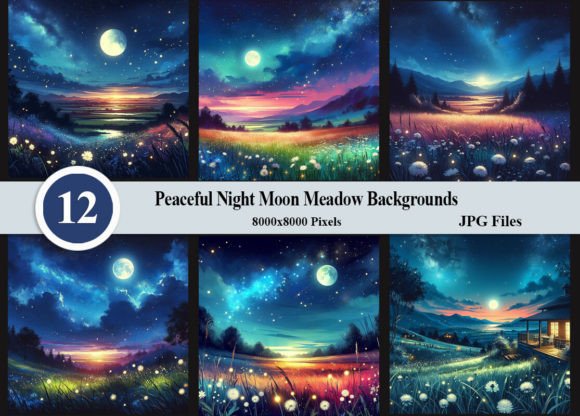
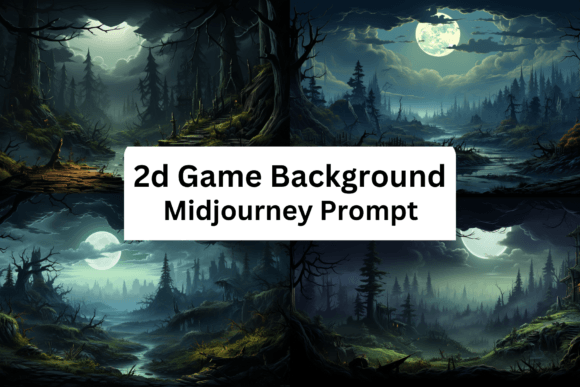
At its core, this AI tool functions like a specialized display font for environments. A premium font like a sophisticated serif or a clean sans serif typeface sets a tone for text; similarly, Ai Prompt for 2d Game Backgrounds generates visual compositions with a distinct personality. The style leans towards high detail and depth, creating a sense of place that feels both believable and fantastical. The appeal lies in its ability to understand and blend complex visual themes. You can prompt for a "peaceful Japanese garden with cherry blossoms at dusk" or a "gritty, industrial warzone with smoke and debris," and the output isn't just a flat image. It produces layered scenes with a sense of visual hierarchy—foreground elements, mid-ground action areas, and distant backgrounds—guiding the player's eye naturally. This meticulous crafting results in assets that have real professional polish, saving immense time in the initial concept and blocking phases of game design.
Practical Applications Beyond the Game Engine
While its primary purpose is clear, the utility of Ai Prompt for 2d Game Backgrounds extends across a surprising range of creative and commercial projects. Its strength in generating cohesive, thematic scenes makes it a valuable design asset.
- Digital and Web Design: Use generated backgrounds as hero images for website banners, especially for gaming blogs, fantasy bookstores, or tech startups wanting a unique, immersive header. It creates instant brand identity through visual storytelling.
- Social Media Graphics: Create scroll-stopping posts for platforms like Instagram or Twitter. A stunning background can frame a promotional quote, a game update announcement, or a community poll, dramatically increasing audience engagement.
- Editorial and Publishing: For magazine covers, book jacket art, or article illustrations within editorial design, these backgrounds provide rich, evocative settings that complement the written content, enhancing reader immersion.
- Marketing and Packaging: Imagine product packaging for a board game or a fantasy-themed beverage. The AI can generate a unique environment that becomes the central visual element, offering a distinct edge over stock imagery in packaging design.
Integrating AI-Generated Art into Your Workflow
Using this tool effectively requires a strategic mindset, much like choosing the right font pairing. Here’s how to approach it for maximum impact:
- Define Your Vision First: Before prompting, have a clear brief. What is the mood? The era? The key elements? Treat the AI like a skilled junior artist who needs a detailed description. Vague prompts yield generic results.
- Evaluate for Project Fit: Is the generated style consistent with your project's existing typeface and color palette? A gritty, realistic background might clash with a playful, handwritten font used in your UI. Always assess cohesion.
- Test Readability and Hierarchy: A beautiful background is useless if it makes your game's text or UI elements unreadable. Use the generated art as a base, then plan for overlays, vignettes, or blurred areas where text will live. This is crucial for maintaining readability.
- Refine and Iterate: The first output is rarely the final product. Use the generated image as a starting point, then paint over, adjust, or composite elements in a tool like Photoshop or Aseprite. This hybrid approach ensures originality and perfect alignment with your brand identity.
- Consider the Commercial License: If you're using these backgrounds for a commercial game, a client's project, or merchandise, verify the licensing terms of the AI platform. Understanding what you can and cannot do with the commercial font (or in this case, commercial artwork) is non-negotiable for professional work.
The Strategic Advantage in Modern Design
In a fast-paced content landscape, tools that accelerate production without sacrificing quality are invaluable. Ai Prompt for 2d Game Backgrounds is more than a novelty; it's a practical component of the modern typography and design toolkit. It influences brand perception by allowing creators to establish a strong, consistent visual world from the outset. For a small indie developer, it can mean the difference between a game that feels professionally crafted and one that feels amateurish. For a marketer, it provides a constant stream of unique visual content for campaigns. The key is to use it with intention—leveraging its power to generate complex environments while applying your own creative judgment to refine, integrate, and ensure the final result truly serves your project's story and audience.