Elevate Your Brand with Old Rough Distressed Leather Backgrounds
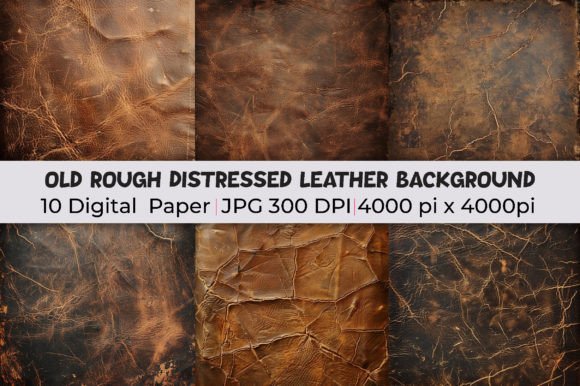
In a digital landscape saturated with sleek, sterile visuals, there's a powerful pull towards authenticity and texture. We crave designs that feel tangible, that tell a story of history and character. This is precisely the space where our Old Rough Distressed Leather Backgrounds excel. They are not merely design assets; they are a foundation for building narratives, a visual shorthand for quality, durability, and a certain rugged elegance. Imagine the rich, tactile feel of a well-worn saddlebag or the cover of an antique journal. This collection captures that very essence, offering a spectrum of vibrant hues—from deep, earthy browns and classic blacks to unexpected, modern tones—each with the intricate cracks, grain, and patina that give distressed leather its timeless appeal.
The true power of these backgrounds lies in their ability to add immediate depth and sophistication to any project. Each high-resolution 4000x4000 pixel JPG image serves as a unique canvas. The fine details of the leather's texture create a compelling backdrop that can make foreground elements—be it typography, a logo, or product imagery—pop with striking clarity. This isn't about applying a generic filter; it's about integrating a piece of authentic, tactile reality into your digital work. For designers, entrepreneurs, and creators, this means moving beyond flat, one-dimensional layouts and crafting visuals that engage the viewer's senses, inviting them to look closer and feel a connection.
Practical Applications: Where Texture Meets Strategy
The versatility of this collection is one of its greatest strengths. Understanding where these backgrounds work best is key to unlocking their full potential. They are a powerful tool in the arsenal of anyone involved in visual communication.
For brand identity and logo design, a distressed leather texture can communicate brand values instantly. A boutique coffee roaster, a craft distillery, a bespoke leather goods maker, or an outdoor adventure company can use these backgrounds to ground their visual identity in a story of craftsmanship and heritage. Paired with a strong serif font or a clean sans serif font, the result is a brand perception that feels established, trustworthy, and rich with personality. It helps create a premium font presentation that feels earned, not applied.
In editorial design and publishing, these backgrounds are a game-changer. They can transform a book cover, a magazine feature spread, or a blog post header from forgettable to immersive. A historical fiction novel, a men's lifestyle magazine, or a recipe blog focusing on rustic cuisine can use these textures to set the mood before a single word is read. The background does the initial storytelling, creating a visual hierarchy that guides the reader's eye naturally to the title and key content. This approach to modern typography leverages texture as a core component of the design system.
Digital Presence and Marketing Materials
The application extends seamlessly into the digital realm. For web design, these backgrounds can be used for hero sections, about pages, or feature highlights to break the monotony of flat color blocks and add a layer of visual interest that improves audience engagement. In social media graphics, a textured background helps your content stand out in a fast-scrolling feed. It makes a quote card, a product announcement, or a promotional graphic feel more substantial and worthy of a pause. This is how you build brand recognition through consistent, high-quality visual language.
For packaging design, the influence is direct and powerful. A product label or box that incorporates a leather texture communicates quality and care. It suggests the product inside is made with the same attention to detail. This tactile suggestion can significantly influence consumer perception at the point of sale, making it a critical component of a cohesive brand identity.
Making It Work: A Practical Guide to Selection and Use
Simply having a beautiful texture is not enough; its effective implementation is what separates good design from great design. Here’s how to approach using these Old Rough Distressed Leather Backgrounds with a professional mindset.
Evaluating Project Fit: First, consider the personality of your project. Is the goal to convey ruggedness, luxury, vintage charm, or artisanal quality? If the answer is yes, the leather texture is likely a strong fit. It would be less suitable for a brand aiming for a futuristic, minimalist, or ultra-clean aesthetic. Always start with the project's core message.
Testing Font Pairings: The right typeface pairing is critical. The texture provides the character; the font provides the clarity. A bold, condensed display font can create a powerful, impactful headline against the detailed background. For body text, ensure maximum readability by choosing a clean, well-spaced sans serif font or a classic serif font and placing it on a slightly darkened or overlaid area of the texture to ensure sufficient contrast. Avoid overly ornate script fonts or handwritten fonts for long passages, as they can become lost in the texture's detail. The key is balance—let the texture and typography work together, not compete.
Leveraging the Collection: With 10 distinct high-quality images in this pack, you have a built-in toolkit for creating variety while maintaining consistency. You might use one specific texture for all your social media graphics to build recognition, another for your website's key landing pages, and a third for print materials like business cards or lookbooks. This allows for a cohesive yet dynamic design assets library.
Considering Commercial Use: For entrepreneurs and small business owners, understanding the licensing of commercial fonts and assets is non-negotiable. This collection is provided for a wide range of uses, but it's always your responsibility to review the specific license agreement to ensure it covers your intended application, whether for a client project, product packaging, or digital merchandise. Using assets correctly is a hallmark of a professional creator.
Ultimately, these backgrounds are more than just a file to download. They are a starting point for creativity, a tool for adding depth, and a means of connecting with an audience on a more visceral level. By thoughtfully integrating them into your work, you can elevate your designs from simple compositions to resonant, memorable pieces that truly stand out.